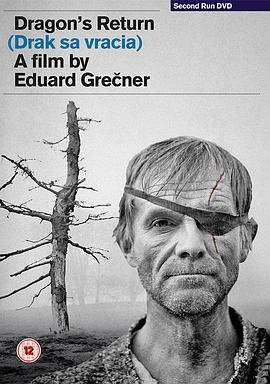
影片详情
德拉克的回归
与Stefan Uher和Elo Havatta一样,Eduard Grecner也是60年代斯洛伐克新浪潮电影的缔造者之一。他的三部影片《一周七天》(1964)《尼绒月亮》(1965)和这部《徳拉克的回归》都是斯洛伐克新浪潮电影的代表作。这部叙事方法独特带有明显意识流风格的黑白影片甚至间接影响
- 类型
- 剧情片
- 年份
- 1968
- 地区
- 其它
- 语言
- 其它
- 导演
- 爱德华·格莱纳
- 主演
- 拉多万·卢卡夫斯基,古斯塔夫·瓦拉赫,艾米丽娅·瓦萨约娃,威廉·波洛尼,Jela Buckova,Jozef Cierny,Pavel Chrobak,米库拉斯·洛迪津斯凯,Ivan Macho,Ján Mildner,Andrej Mojzis,Jan Pelech,卢多维特·赖特尔,斯特凡·克维季克,Milan Mach
播放地址
《德拉克的回归》选集
剧情资料
剧情简介
《德拉克的回归》讲述的是什么故事?
《德拉克的回归》 与Stefan Uher和Elo Havatta一样,Eduard Grecner也是60年代斯洛伐克新浪潮电影的缔造者之一。他的三部影片《一周七天》(1964)《尼绒月亮》(1965)和这部《徳拉克的回归》都是斯洛伐克新浪潮电影的代表作。这部叙事方法独特带有明显意识流风格的黑白影片甚至间接影响到了后来法国导演格里耶在捷克拍摄的两部影片《说谎的人》和《Eden and After》。 A special place in the development of feature films is reserved for Eduard Grecner, the creator of just one good film, Dragon Returns (Drak sa vracia, 1967), titled after the nickname of the lead character. After his initial work with Uher, Grecner made his mark as a proponent of the so-called "intellectual" film, the antithesis of the sociologically, or rather, socially critical film. Grecner's great role model was Alan Resnais, a young French filmmaker who sought to introduce Slovakia to the idea of film as a labyrinth in which meanings are created not by stories, but by complex configurations of dialogue, shots, and various layers of time, thus differentiating film from both literature and theater. In Dragon Returns―the story of a solitary hero who is needed by villagers living far in the mountains, but who is rejected by them at the same time because of his detachment―Grecner brought the tradition of lyricized prose to life through a whole series of formal aesthetic techniques. Alain Robbe-Grillet immediately developed this idea in the film shot in Bratislava The Man Who Lies (Slovak: Muz, ktory luze French title: L'homme qui ment 1968), and perfected it in Eden and After (Eden a potom, 1970).
一、《德拉克的回归》是哪一年上映的?
《德拉克的回归》是爱德华·格莱纳于1968年拍摄的一部经典剧情片。此片开创其它当代剧情片的先河,《德拉克的回归》上映时票房稳坐前三,创下当年纪录。当时拉多万·卢卡夫斯基,古斯塔夫·瓦拉赫,艾米丽娅·瓦萨约娃,威廉·波洛尼,Jela Buckova,Jozef Cierny,Pavel Chrobak,米库拉斯·洛迪津斯凯,Ivan Macho,Ján Mildner,Andrej Mojzis,Jan Pelech,卢多维特·赖特尔,斯特凡·克维季克,Milan Mach均为最佳主角,拉多万·卢卡夫斯基,古斯塔夫·瓦拉赫,艾米丽娅·瓦萨约娃,威廉·波洛尼,Jela Buckova,Jozef Cierny,Pavel Chrobak,米库拉斯·洛迪津斯凯,Ivan Macho,Ján Mildner,Andrej Mojzis,Jan Pelech,卢多维特·赖特尔,斯特凡·克维季克,Milan Mach以精彩演技和突出形象,奠定在其它影坛地位。拉多万·卢卡夫斯基,古斯塔夫·瓦拉赫,艾米丽娅·瓦萨约娃,威廉·波洛尼,Jela Buckova,Jozef Cierny,Pavel Chrobak,米库拉斯·洛迪津斯凯,Ivan Macho,Ján Mildner,Andrej Mojzis,Jan Pelech,卢多维特·赖特尔,斯特凡·克维季克,Milan Mach饰演角色造型多年后仍为人所模仿。爱德华·格莱纳之前曾被人怀疑其能力,而《德拉克的回归》却奠定爱德华·格莱纳剧情片风格。《德拉克的回归》首映时曾获海外剧情片和媒体广泛称誉,被认为其优秀程度,是足以与同时期(指1968年代)其它优秀剧情片齐名。
二、被称为剧情片的开先河之作的《德拉克的回归》,是爱德华·格莱纳最好的作品吗?
从爱德华·格莱纳斩获剧情片最佳导演开始,很多观众就觉得这部《德拉克的回归》是他极具代表性的剧情片。虽然爱德华·格莱纳后来还拍出过评价很好的作品,但是《德拉克的回归》依然常被认为是他剧情片创作中的重要代表。
三、《德拉克的回归》为什么可以成为经典?
提起其它,不少观众都会想到《德拉克的回归》的名字。这部由爱德华·格莱纳导演,拉多万·卢卡夫斯基,古斯塔夫·瓦拉赫,艾米丽娅·瓦萨约娃,威廉·波洛尼,Jela Buckova,Jozef Cierny,Pavel Chrobak,米库拉斯·洛迪津斯凯,Ivan Macho,Ján Mildner,Andrej Mojzis,Jan Pelech,卢多维特·赖特尔,斯特凡·克维季克,Milan Mach主演的《德拉克的回归》,在当时凭借鲜明的人物塑造和紧凑的剧情片叙事获得了不错反响。正是人物命运、情绪推进和故事节奏之间的相互配合,让《德拉克的回归》在同类型作品中具有较高辨识度,也让观众对其中的情节留下深刻印象。
四、如何评价《德拉克的回归》?
《德拉克的回归》口碑表现稳定,深受广大观众喜爱。不仅拉多万·卢卡夫斯基,古斯塔夫·瓦拉赫,艾米丽娅·瓦萨约娃,威廉·波洛尼,Jela Buckova,Jozef Cierny,Pavel Chrobak,米库拉斯·洛迪津斯凯,Ivan Macho,Ján Mildner,Andrej Mojzis,Jan Pelech,卢多维特·赖特尔,斯特凡·克维季克,Milan Mach的表演有看点,而且该剧情片故事情节紧凑,影院2(2.hnttlq.cn)观看起来流畅,同时还能保持较强的剧情吸引力。虽然不同观众对《德拉克的回归》的评价各有侧重,但该片目前的受欢迎程度已经名列同类作品前茅。
五、《德拉克的回归》剧情片的主要内容
《德拉克的回归》是一部剧情片作品,由导演爱德华·格莱纳执导,拉多万·卢卡夫斯基,古斯塔夫·瓦拉赫,艾米丽娅·瓦萨约娃,威廉·波洛尼,Jela Buckova,Jozef Cierny,Pavel Chrobak,米库拉斯·洛迪津斯凯,Ivan Macho,Ján Mildner,Andrej Mojzis,Jan Pelech,卢多维特·赖特尔,斯特凡·克维季克,Milan Mach主演。影片围绕主要人物的经历展开,通过人物关系、情节推进和情绪变化,呈现出一段具有观看价值的剧情片故事。
《德拉克的回归》 与Stefan Uher和Elo Havatta一样,Eduard Grecner也是60年代斯洛伐克新浪潮电影的缔造者之一。他的三部影片《一周七天》(1964)《尼绒月亮》(1965)和这部《徳拉克的回归》都是斯洛伐克新浪潮电影的代表作。这部叙事方法独特带有明显意识流风格的黑白影片甚至间接影响到了后来法国导演格里耶在捷克拍摄的两部影片《说谎的人》和《Eden and After》。 A special place in the development of feature films is reserved for Eduard Grecner, the creator of just one good film, Dragon Returns (Drak sa vracia, 1967), titled after the nickname of the lead character. After his initial work with Uher, Grecner made his mark as a proponent of the so-called "intellectual" film, the antithesis of the sociologically, or rather, socially critical film. Grecner's great role model was Alan Resnais, a young French filmmaker who sought to introduce Slovakia to the idea of film as a labyrinth in which meanings are created not by stories, but by complex configurations of dialogue, shots, and various layers of time, thus differentiating film from both literature and theater. In Dragon Returns―the story of a solitary hero who is needed by villagers living far in the mountains, but who is rejected by them at the same time because of his detachment―Grecner brought the tradition of lyricized prose to life through a whole series of formal aesthetic techniques. Alain Robbe-Grillet immediately developed this idea in the film shot in Bratislava The Man Who Lies (Slovak: Muz, ktory luze French title: L'homme qui ment 1968), and perfected it in Eden and After (Eden a potom, 1970).