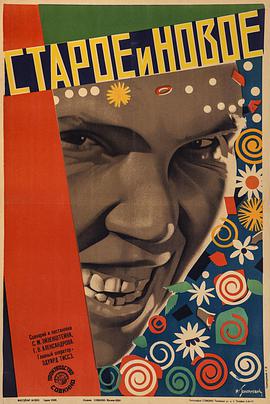
影片详情
总路线
Due to some common interests between German and Russian aristocracy ( the Russians even had aristocrats in their past not to mention they had an Emp
- 类型
- 剧情片
- 年份
- 1929
- 地区
- 其它
- 语言
- 其它
- 导演
- 谢尔盖·爱森斯坦,格里高利·亚历山德罗夫
- 主演
- Marfa Lapkina,M. Ivanin,Konstantin Vasilyev
播放地址
《总路线》选集
剧情资料
剧情简介
《总路线》讲述的是什么故事?
《总路线》 Due to some common interests between German and Russian aristocracy ( the Russians even had aristocrats in their past not to mention they had an Empress called Catherine the Great, as great as this German count's heiresses… ), it is not strange that this Teutonic count has understood and even enjoyed Herr S. M. Eisenstein's "Staroye I Novoye". It is not very usual that for the aristocracy to enjoy Bolshevist films full of proletarian demands that put private property at risk or as it happens in this case, a film about the Communist Party's policy on the subject of the collectivization of the Soviet agriculture. Normally this would be perfect gibberish for this German count, but thanks to Herr Eisenstein 's greatness and directorial talent, the hardships of the heroine of the film, Dame Marfa ( Dame Marfa Lapkina ) breached even the thick aristocratic Schloss walls. And that's one of the first remarkable aspects of this oeuvre in spite of the political subject of the film, the powerful images and lyricism ( astonishing and beautiful shot compositions ), especially during the first part of the movie, preserve the artistic merits entirely while serving a propaganda purpose. The second remarkable aspect of the film is the dichotomy between the old and new, the fight to improve the lot of Dame Marfa and her countrymen. There are many discussions because it is not easy even in Russia to change ancient and conservative customs. There are superb metaphors and social criticism ( illiteracy, bureaucracy, religiosity ) which perfectly fit the film, and last but not least, "Staroye I Novoye", is a kind of archaic documentary about ancient customs established deeply in old Russia, those ones that our heroine must fight against. And there is also a lot about agriculture ( very enlightening for this German count), especially about harvesting and how to fatten Russian cows or pigs ( literally, no pun here… ). Herr Eisenstein had to bear during the last era of his film career, unbelievable censorship and mutilation of his work, as happens with "Staroye I Novoye". The film was reedited and Eisenstein accused of sympathizing with Trostky's policies but fortunately the film was restored and showed by the German-frenchified t.v. channel "ARTE", natürlich!, including an evocative music score by Herr Taras Bujewski, that fits superbly Herr Eisenstein primal artistic interests. And now, if you'll allow me, I must temporarily take my leave because this German Count must buy a tractor for one of his Teutonic heiress.
一、《总路线》是哪一年上映的?
《总路线》是谢尔盖·爱森斯坦,格里高利·亚历山德罗夫于1929年拍摄的一部经典剧情片。此片开创其它当代剧情片的先河,《总路线》上映时票房稳坐前三,创下当年纪录。当时Marfa Lapkina,M. Ivanin,Konstantin Vasilyev均为最佳主角,Marfa Lapkina,M. Ivanin,Konstantin Vasilyev以精彩演技和突出形象,奠定在其它影坛地位。Marfa Lapkina,M. Ivanin,Konstantin Vasilyev饰演角色造型多年后仍为人所模仿。谢尔盖·爱森斯坦,格里高利·亚历山德罗夫之前曾被人怀疑其能力,而《总路线》却奠定谢尔盖·爱森斯坦,格里高利·亚历山德罗夫剧情片风格。《总路线》首映时曾获海外剧情片和媒体广泛称誉,被认为其优秀程度,是足以与同时期(指1929年代)其它优秀剧情片齐名。
二、被称为剧情片的开先河之作的《总路线》,是谢尔盖·爱森斯坦,格里高利·亚历山德罗夫最好的作品吗?
从谢尔盖·爱森斯坦,格里高利·亚历山德罗夫斩获剧情片最佳导演开始,很多观众就觉得这部《总路线》是他极具代表性的剧情片。虽然谢尔盖·爱森斯坦,格里高利·亚历山德罗夫后来还拍出过评价很好的作品,但是《总路线》依然常被认为是他剧情片创作中的重要代表。
三、《总路线》为什么可以成为经典?
提起其它,不少观众都会想到《总路线》的名字。这部由谢尔盖·爱森斯坦,格里高利·亚历山德罗夫导演,Marfa Lapkina,M. Ivanin,Konstantin Vasilyev主演的《总路线》,在当时凭借鲜明的人物塑造和紧凑的剧情片叙事获得了不错反响。正是人物命运、情绪推进和故事节奏之间的相互配合,让《总路线》在同类型作品中具有较高辨识度,也让观众对其中的情节留下深刻印象。
四、如何评价《总路线》?
《总路线》口碑表现稳定,深受广大观众喜爱。不仅Marfa Lapkina,M. Ivanin,Konstantin Vasilyev的表演有看点,而且该剧情片故事情节紧凑,影院2(2.hnttlq.cn)观看起来流畅,同时还能保持较强的剧情吸引力。虽然不同观众对《总路线》的评价各有侧重,但该片目前的受欢迎程度已经名列同类作品前茅。
五、《总路线》剧情片的主要内容
《总路线》是一部剧情片作品,由导演谢尔盖·爱森斯坦,格里高利·亚历山德罗夫执导,Marfa Lapkina,M. Ivanin,Konstantin Vasilyev主演。影片围绕主要人物的经历展开,通过人物关系、情节推进和情绪变化,呈现出一段具有观看价值的剧情片故事。
《总路线》 Due to some common interests between German and Russian aristocracy ( the Russians even had aristocrats in their past not to mention they had an Empress called Catherine the Great, as great as this German count's heiresses… ), it is not strange that this Teutonic count has understood and even enjoyed Herr S. M. Eisenstein's "Staroye I Novoye". It is not very usual that for the aristocracy to enjoy Bolshevist films full of proletarian demands that put private property at risk or as it happens in this case, a film about the Communist Party's policy on the subject of the collectivization of the Soviet agriculture. Normally this would be perfect gibberish for this German count, but thanks to Herr Eisenstein 's greatness and directorial talent, the hardships of the heroine of the film, Dame Marfa ( Dame Marfa Lapkina ) breached even the thick aristocratic Schloss walls. And that's one of the first remarkable aspects of this oeuvre in spite of the political subject of the film, the powerful images and lyricism ( astonishing and beautiful shot compositions ), especially during the first part of the movie, preserve the artistic merits entirely while serving a propaganda purpose. The second remarkable aspect of the film is the dichotomy between the old and new, the fight to improve the lot of Dame Marfa and her countrymen. There are many discussions because it is not easy even in Russia to change ancient and conservative customs. There are superb metaphors and social criticism ( illiteracy, bureaucracy, religiosity ) which perfectly fit the film, and last but not least, "Staroye I Novoye", is a kind of archaic documentary about ancient customs established deeply in old Russia, those ones that our heroine must fight against. And there is also a lot about agriculture ( very enlightening for this German count), especially about harvesting and how to fatten Russian cows or pigs ( literally, no pun here… ). Herr Eisenstein had to bear during the last era of his film career, unbelievable censorship and mutilation of his work, as happens with "Staroye I Novoye". The film was reedited and Eisenstein accused of sympathizing with Trostky's policies but fortunately the film was restored and showed by the German-frenchified t.v. channel "ARTE", natürlich!, including an evocative music score by Herr Taras Bujewski, that fits superbly Herr Eisenstein primal artistic interests. And now, if you'll allow me, I must temporarily take my leave because this German Count must buy a tractor for one of his Teutonic heiress.